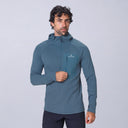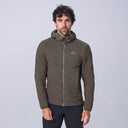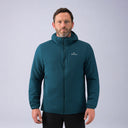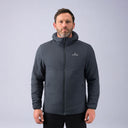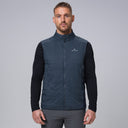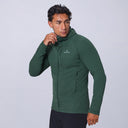
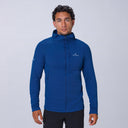
Men's Mid Layer Fleece Jackets

Fleece & Mid Layer Jackets

From Polartec® Alpha® active insulation to everyday fleece.

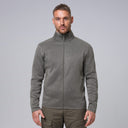
Eldar Full Zip Octa® Lightweight Fleece New

£189.00
Regular price £189.00
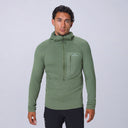
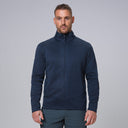
Eldar Half Zip Octa® Lightweight Fleece New

£179.00
Regular price £179.00
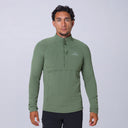
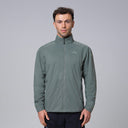
Eldar Quarter Zip Octa® Lightweight Fleece New

£149.00
Regular price £149.00

Asger Polartec® Alpha™ Hooded Jacket New

£289.00
Regular price £289.00
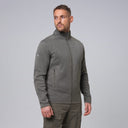
Njorunn Fleece

£149.00
Regular price £149.00

Njorunn Quarter-Zip Fleece

£139.00
Regular price £139.00
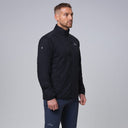
Asger-HS Polartec® Alpha™ Jacket

£269.00
Regular price £269.00

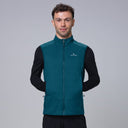
Asger Polartec® Alpha™ Gilet

£195.00
Regular price £195.00

Technical mid layers: fleece and active insulation

A mid layer is the insulating layer between your base layer and your shell. It holds warm air close to the body while letting the moisture you produce escape, so you stay warm without getting damp. A technical mid layer has to keep doing that as you move, stop and move again. Jöttnar makes two kinds: lightweight technical fleece, and windproof active insulation.

Two types of mid layer

Technical fleece.

Fleece traps warm air in a knitted pile. It is the most breathable type of mid layer and works best under a shell, which blocks the wind that fleece lets through. Our Eldar fleece uses Octa®, a hollow-core fibre that adds warmth without adding weight and wicks moisture away from the skin. Njorunn pairs a lofted, brushed interior with a marl knit face, for everyday use on changeable days.

Active insulation.

A synthetic mid layer that combines a breathable insulating lining with a windproof outer. Our Asger range uses Polartec® Alpha™, originally developed for Special Forces use, which regulates temperature as effort rises and falls. The windproof outer means a mid layer jacket like this can be worn on its own on cold, dry days, and under a shell when the weather turns.

How to choose a mid layer

Effort.

The harder you work, the more breathability matters. On steep ascents a lightweight mid layer vents heat better than a thick fleece or a down jacket.

Conditions.

In wind, choose active insulation or wear fleece under a shell. In still, dry cold, a fleece on its own can be enough.

Features.

A hood adds warmth around the head and neck; check it fits under a helmet if you climb or ski. Full zips vent the most, while half and quarter zips are lighter and simpler. Harness-compatible pockets sit clear of a climbing harness.

Warmth.

A lightweight mid layer you can keep on all day is usually more useful than a warmer one you keep taking off. For stops and belays, add a down jacket over the top.

For more detail, read the Midlayer Guide: Fleece, Active Insulation & How to Choose.

Mid layer FAQs

Is a fleece the same as a mid layer?

A fleece is one type of mid layer. "Mid layer" describes the job: the insulating layer between base layer and shell. Fleece, active insulation, wool and lightweight down can all do it.

Synthetic or merino mid layer?

Merino wool is warm and resists odour, but it dries more slowly than synthetic fabrics. Synthetic mid layers, including fleece and active insulation, dry faster and keep more of their warmth when damp, which suits wet mountain conditions. Our mid layers are synthetic. For merino next to the skin, read Merino vs Synthetic Base Layers: Which Is Right for You?

Do I need a mid layer under a waterproof?

In the cold, usually yes. A hardshell keeps out wind and rain but adds little warmth on its own. Wear a mid layer underneath and use the zip to adjust as your effort changes. Read the Mountain Layering Guide: How to Layer for the Mountains.