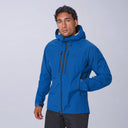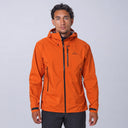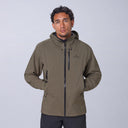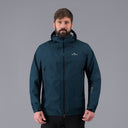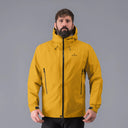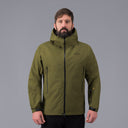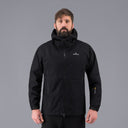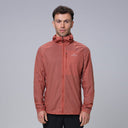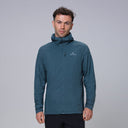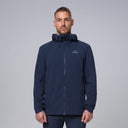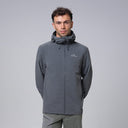
shell jackets

Waterproof, Softshell & Windshell Jackets

Ultralight running windshells, softshells and waterproof hardshells.

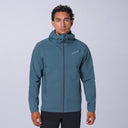
Isleif Ultralight Hardshell Jacket New

£359.00
Regular price £359.00
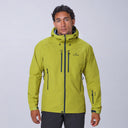
Asgard Expedition Grade Hardshell Jacket New

£649.00
Regular price £649.00
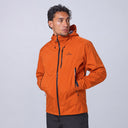
Midgard Lightweight Hardshell Jacket New

£449.00
Regular price £449.00
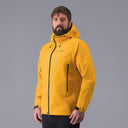
Grim All-Mountain Hardshell Jacket

£549.00
Regular price £549.00
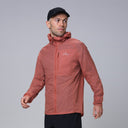
Einhar Windshell Jacket

£195.00
Regular price £195.00
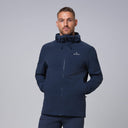
Sigvard Lightweight Softshell Jacket

£229.00
Regular price £229.00

Shell Jackets: Hardshell, Softshell and Windshell

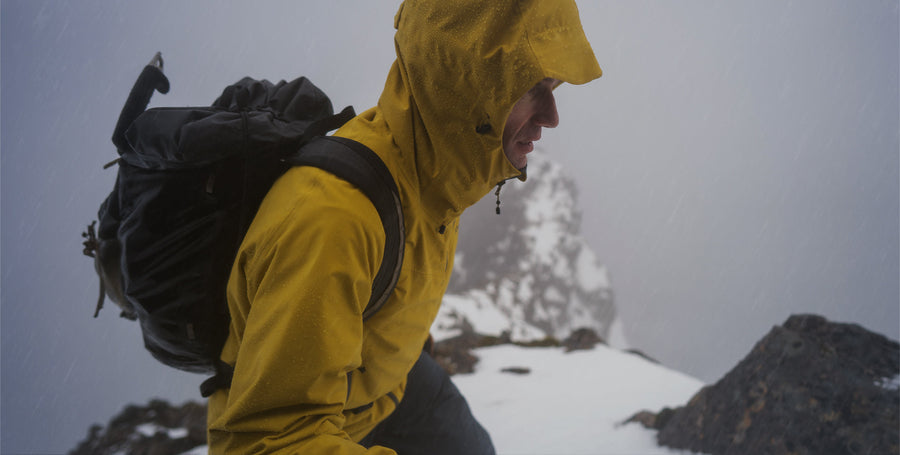
A shell is your outer layer, the one between you and the wind, rain and snow. There are three kinds, and the right one depends on the weather and how hard you are working. A hardshell is fully waterproof. A softshell trades waterproofing for stretch and breathability. A windshell is the lightest of all, built to cut the wind on fast days. We make all three.

Types of Shell Jacket

Hardshell jackets

A waterproof, windproof and breathable membrane, built for sustained rain, snow and wind. Hardshells are the jacket you rely on when the weather turns. All of ours use SKJOLDR™, our proprietary 3-layer fabric, and the range runs from a sub-300g ultralight shell to a fully featured expedition jacket.

Softshell jackets

A stretch woven fabric with a water-repellent finish. A softshell sheds showers and wind but is not waterproof. In exchange it breathes far better than a hardshell and moves with you, which makes it the jacket to wear on the move in dry cold, showers and high-output days.

Windshell jackets

A thin, windproof and highly breathable layer that packs down to almost nothing. A windshell takes the edge off the wind on ridges and summits without trapping heat, and suits trail running and fast, light days.

How to Choose a Shell Jacket

Weather.

If you expect sustained rain or snow, you need a hardshell. For dry cold and passing showers, a softshell is more comfortable. In wind with little rain, a windshell is often enough.

Effort.

The harder you work, the more breathability matters. Many people wear a softshell or windshell on the move and carry a hardshell for the weather.

Weight and pack size.

If the shell spends most of the day in your pack, choose the lightest one that will do the job when you need it.

Features for your activity.

For climbing and skiing, look for a helmet-compatible hood and pockets you can reach with a harness or pack on. For skiing, RECCO® rescue technology adds a margin of safety.

Durability.

A heavier face fabric (higher denier) takes more abrasion from rock, ice and pack straps. A lighter one saves weight.

See the full range of men's waterproof, softshell and windshell jackets.

Shell Jacket FAQs

What is the difference between a hardshell and a softshell jacket

A hardshell has a waterproof membrane and is built for sustained rain, snow and wind. A softshell is water-resistant rather than waterproof, with more stretch and breathability, and suits dry cold, showers and high-output days. Many mountain days call for both, with the softshell worn on the move and the hardshell carried for the weather. Read the Mountain Layering Guide: How to Layer for the Mountains.

Is a waterproof shell jacket the same as a hardshell?

Yes. "Hardshell" describes a fully waterproof, windproof and breathable outer layer. A softshell or windshell can look similar but is not waterproof.

Do I need a windshell if I have a hardshell?

Not always, but a windshell is far more breathable and packs smaller. On dry, windy days and when running, it lets you stay protected without overheating, and the hardshell can stay in the pack.