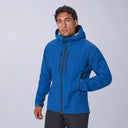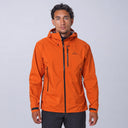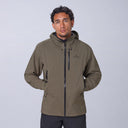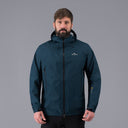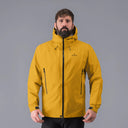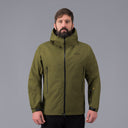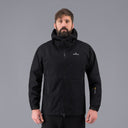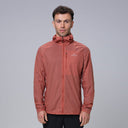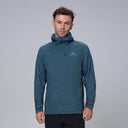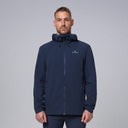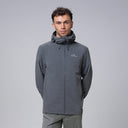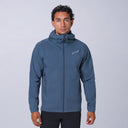
shell jackets

Waterproof, Softshell & Windshell Jackets

Ultralight running windshells, softshells and waterproof hardshells.

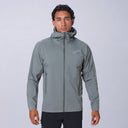
Isleif Ultralight Hardshell Jacket New

£359.00
Regular price £359.00
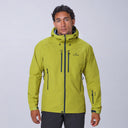
Asgard Expedition Grade Hardshell Jacket

£649.00
Regular price £649.00
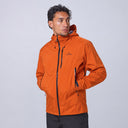
Midgard Lightweight Hardshell Jacket

£449.00
Regular price £449.00
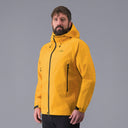
Grim All-Mountain Hardshell Jacket

£549.00
Regular price £549.00
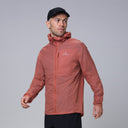
Einhar Windshell Jacket

£195.00
Regular price £195.00
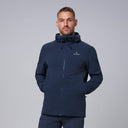
Sigvard Lightweight Softshell Jacket

£229.00
Regular price £229.00

Men's Hardshell Jackets

Jöttnar hardshell jackets are built for mountain weather that doesn't let up. Every hardshell in the range is waterproof and built on SKJOLDR, Jöttnar's proprietary 3-layer hardshell fabric, with a recycled face fabric and a PFC-free DWR finish. The range runs from a 399g lightweight hardshell to a 603g expedition-grade storm jacket, with a stretch softshell for drier, faster days.

Choosing a Hardshell Jacket

Lightweight hardshell: Midgard.

399g. 3-layer 45-denier SKJOLDR with mechanical 2-way stretch, balancing storm protection with breathability for active use. Helmet-compatible hood, AquaGuard pit zips and pockets you can reach under a pack or harness.

All-mountain hardshell: Grim.

550g. 3-layer SKJOLDR with a 100% recycled face and 20,000mm waterproofing. A waterproof hardshell jacket for all-mountain skiing, climbing, trekking and mountaineering. Helmet-compatible hood, RECCO rescue transponder, AquaGuard zips throughout and expanded hand pockets accessible under a pack or harness.

Expedition grade: Asgard.

603g. Our most fully featured hardshell, in 3-layer 70-denier SKJOLDR with 20,000mm waterproofing, for all-mountain skiing, winter climbing and mountaineering in severe conditions. Helmet-compatible storm hood, RECCO rescue reflector, AquaGuard pit zips, Cohaesive cord locks on hood and hem, four external pockets, internal valuables and mesh dump pockets, and a forearm lift pass pocket.

Softshell: Sigvard.

A lightweight, water-resistant and breathable stretch softshell for mixed weather. Recycled outer fabric with a PFC-free and PFAS-free DWR finish. Side and underarm panels for mobility, a helmet-compatible hood and two harness-compatible zipped hand pockets.

How our Hardshells are Built

What is the difference between a hardshell and a softshell jacket?

A hardshell has a waterproof membrane and is built for sustained rain, snow and wind. A softshell is water-resistant rather than waterproof, with more stretch and breathability, and suits dry cold, showers and high-output days. Many mountain days call for both, with the softshell worn on the move and the hardshell carried for the weather. Read the Mountain Layering Guide: How to Layer for the Mountains.

What does 20,000mm waterproofing mean?

It is the hydrostatic head: the height of a column of water, in millimetres, the fabric can hold back before water passes through. Higher numbers mean more protection under pressure, for example where pack straps press wet fabric against your shoulders.

Can I use a hardshell as a ski jacket?

Yes. Grim and Asgard are perfect for all-mountain skiing. Both contain RECCO rescue technology, and Asgard adds a forearm lift pass pocket. Wear insulation underneath on cold lift days.

Why is my waterproof jacket wetting out?

PFC-free DWR finishes need regular care. When the face fabric stops beading water, the jacket is still waterproof, but breathability drops and you may feel clammy. Washing with a technical cleaner and reproofing restores performance.

Shell Jacket FAQs

What is the difference between a hardshell and a softshell jacket?

A hardshell has a waterproof membrane and is built for sustained rain, snow and wind. A softshell is water-resistant rather than waterproof, with more stretch and breathability, and suits dry cold, showers and high-output days. Many mountain days call for both, with the softshell worn on the move and the hardshell carried for the weather. Read the Mountain Layering Guide: How to Layer for the Mountains.

What does 20,000mm waterproofing mean?

It is the hydrostatic head: the height of a column of water, in millimetres, the fabric can hold back before water passes through. Higher numbers mean more protection under pressure, for example where pack straps press wet fabric against your shoulders.

Can I use a hardshell as a ski jacket?

Yes. Grim and Asgard are perfect for all-mountain skiing. Both contain RECCO rescue technology, and Asgard adds a forearm lift pass pocket. Wear insulation underneath on cold lift days.

Why is my waterproof jacket wetting out?

PFC-free DWR finishes need regular care. When the face fabric stops beading water, the jacket is still waterproof, but breathability drops and you may feel clammy. Washing with a technical cleaner and reproofing restores performance.